How to check AQI in your city and protect yourself from rising air pollution: 5 essential tips to follow
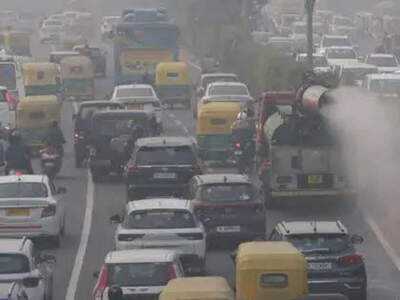
Air pollution can affect your health even when the sky looks clear. With rising pollution levels in several cities, checking the (AQI) has become an important part of daily life. Monitoring AQI can help you decide when to step outdoors, exercise or take extra precautions, especially if you have asthma, allergies or other respiratory problems.
Here is how you can check the AQI in your area and follow simple steps to reduce your exposure to air pollution.
What Is AQI And What Does It Tell You?
The Air Quality Index (AQI) is a measure used to communicate how polluted the air is and what its possible health effects may be. A higher AQI indicates poorer air quality and a greater risk of health effects.
How To Check AQI In Your City
You can check the AQI in your city through government platforms, mobile applications and weather services. Here are some easy ways:
1. Avoid Outdoor Exercise When AQI Is High
Avoid running, jogging, cycling and other strenuous outdoor activities when pollution levels are poor or very poor. Physical exertion can increase the amount of polluted air you breathe in. Consider exercising indoors instead.
2. Keep Windows And Doors Closed During Peak Pollution
When outdoor pollution levels are high, limit the amount of polluted air entering your home by keeping windows and doors closed. However, ensure adequate ventilation when outdoor air quality improves.
3. Use An Air Purifier Indoors
Choose a model suitable for the size of your room and maintain or replace its filters according to the manufacturer's instructions.
4. Avoid Smoking And Burning Items Indoors
Avoid smoking, burning wood or coal, and using incense sticks or candles excessively, as these can add to indoor air pollution. Do not burn household waste or leaves near your home.
5. Limit Exposure Near Busy Roads
Vehicle emissions and road dust can increase your exposure to pollutants. Whenever possible, avoid spending long periods near traffic-heavy roads and choose less congested routes for walking or commuting.
Who Is Most At Risk From Air Pollution?
Although air pollution can affect everyone, certain groups may face a higher risk of health complications, including:
- Children, particularly those under five years of age.
- Older adults.
- Pregnant women.
- People with asthma
- Individuals with heart or cardiovascular diseases.
Here is how you can check the AQI in your area and follow simple steps to reduce your exposure to air pollution.
What Is AQI And What Does It Tell You?
The Air Quality Index (AQI) is a measure used to communicate how polluted the air is and what its possible health effects may be. A higher AQI indicates poorer air quality and a greater risk of health effects.
How To Check AQI In Your City
You can check the AQI in your city through government platforms, mobile applications and weather services. Here are some easy ways:
- AQI dashboards: Check official air-quality dashboards for city-wise and station-wise pollution levels.
- Weather apps: Several weather applications also display AQI readings along with temperature, humidity and weather forecasts.
- Google search: Search for "AQI near me" or "AQI in [your city]" to find available air-quality readings.
1. Avoid Outdoor Exercise When AQI Is High
Avoid running, jogging, cycling and other strenuous outdoor activities when pollution levels are poor or very poor. Physical exertion can increase the amount of polluted air you breathe in. Consider exercising indoors instead.
2. Keep Windows And Doors Closed During Peak Pollution
When outdoor pollution levels are high, limit the amount of polluted air entering your home by keeping windows and doors closed. However, ensure adequate ventilation when outdoor air quality improves.
3. Use An Air Purifier Indoors
Choose a model suitable for the size of your room and maintain or replace its filters according to the manufacturer's instructions.
4. Avoid Smoking And Burning Items Indoors
Avoid smoking, burning wood or coal, and using incense sticks or candles excessively, as these can add to indoor air pollution. Do not burn household waste or leaves near your home.
5. Limit Exposure Near Busy Roads
Vehicle emissions and road dust can increase your exposure to pollutants. Whenever possible, avoid spending long periods near traffic-heavy roads and choose less congested routes for walking or commuting.
Who Is Most At Risk From Air Pollution?
Although air pollution can affect everyone, certain groups may face a higher risk of health complications, including:
- Children, particularly those under five years of age.
- Older adults.
- Pregnant women.
- People with asthma
- Individuals with heart or cardiovascular diseases.
Contact to : xlf550402@gmail.com
Copyright © boyuanhulian 2020 - 2023. All Right Reserved.