
For decades, mainstream Hindi cinema operated on a reliable, highly stylised formula.
A larger-than-life hero, an evil villain, comic relief sidekicks, and six lip-synced musical sequences squeezed into a three-hour runtime formed the bedrock of commercial “Masala” Bollywood. While that archetype built one of the world’s largest film industries, modern Hindi storytelling is undergoing a profound structural shift.
As audiences celebrate World Bollywood Day, contrasting classic masterpieces with modern hits reveals how Hindi cinema traded formulaic melodrama for human truth.
1. The Hero Archetype: From Invincible Saviour to Flawed Human
The Classic Era
In the 1970s and 1980s, Amitabh Bachchan’s “Angry Young Man” defined the cinematic hero in classics like Deewaar (1975) and Zanjeer (1973)—an invincible vigilante single-handedly fighting corrupt systems. Even in the action-epic Sholay (1975), heroes were defined by physical strength and moral certainty.
The Modern Era
Today’s protagonists are defined by vulnerability, moral ambiguity, and relatable struggle:
12th Fail (2023): Manoj Kumar Sharma (played by Vikrant Massey) isn’t a superhero beating up twenty goons; he is an impoverished student battling systemic hardships to clear an exam through sheer persistence.

Andhadhun (2018): Ayushmann Khurrana plays a morally grey pianist caught in a murder cover-up, proving that lead characters no longer need to be pure moral compasses.

2. Romance & Family: From Glamorous Fantasy to Slice-of-Life Realism
The Classic Era
The 1990s and early 2000s belonged to grand, aspirational romances like Dilwale Dulhania Le Jayenge (1995) and Kabhi Khushi Kabhie Gham (2001). Characters danced in yellow mustard fields or the Swiss Alps, living in sprawling NRI mansions detached from everyday economic realities.
The Modern Era
Contemporary relationship dramas prioritise authenticity over escapism:
Laapataaa Ladies (2024): Set in rural India, this film explores female autonomy, marriage norms, and personal identity through humour and warmth rather than grand melodrama.
Piku (2015) & Bareilly Ki Barfi (2017): Move away from foreign locales to real Indian homes, highlighting everyday family dynamics, quirks, and small-town charm.
3. Social Themes: From Preachy Moralising to Raw Grit
The Classic Era
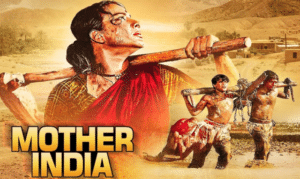
While golden-age classics like Mother India (1957) addressed social issues, commercial films in later decades often treated social problems as background plot devices or delivered heavy-handed moral speeches.
The Modern Era
Modern filmmakers integrate social reality seamlessly into narrative thrillers and character studies:
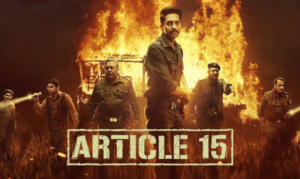
Article 15 (2019): Rather than offering stylised action, it presents an uncompromising, realistic police investigation into caste-based crimes in rural Uttar Pradesh.
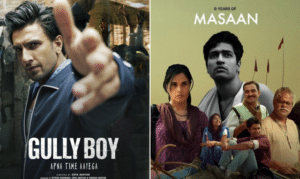
Gully Boy (2019) & Masaan (2015): Capture urban poverty, class divides, and youth aspirations with documentary-style grit and empathy.
4. Music & Narrative Pacing: From Song Sequences to Integrated Scores
The Classic Era
For decades, songs were treated as standalone commercial assets. Narrative momentum routinely stopped every thirty minutes for a lip-synced song and dance sequence.
The Modern Era
Influenced by digital streaming and tight screenplay writing, music now functions as part of the storytelling engine; songs are used as background atmosphere (e.g., Andhadhun or Gangs of Wasseypur) to advance character emotion or compress time, rather than breaking the scene’s reality.
A Global Language Rooted in Local Truth
By shifting focus from grand escapism to local authenticity, modern Hindi cinema speaks more effectively to both domestic and international audiences. By preserving emotional depth while embracing narrative realism, modern Bollywood proves that great storytelling doesn’t need a formula—it just needs truth.
Contact to : xlf550402@gmail.com
Copyright © boyuanhulian 2020 - 2023. All Right Reserved.