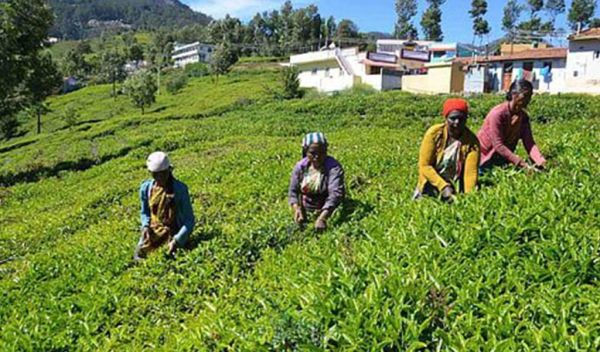
Tea growers in Tamil Nadu’s Nilgiris are facing an unprecedented production decline due to a 55 per cent southwest monsoon rainfall deficit. Green leaf output has fallen sharply, while low procurement prices and rising irrigation costs are worsening farmers’ financial difficulties
Published Date – 31 August 2026, 09:19 AM
Coimbatore: Tea growers in the Nilgiris, Tamil Nadu, are grappling with a steep decline in green leaf production as a severe shortfall in southwest monsoon rainfall has left plantations struggling with inadequate soil moisture.
Small tea producers said the fall in output this season was unprecedented. Plantations that usually yielded nearly 500 kg of green leaves per acre every month were now producing only around 200 kg. Growers described it as the sharpest decline witnessed in several decades. Some farmers have installed sprinklers to protect their plantations from the prolonged dry spell.
However, the cost of purchasing and operating irrigation equipment remains unaffordable for many small growers, who form a significant section of the district’s tea sector.
Agricultural experts said intermittent showers had helped plantations withstand the rainfall shortage temporarily. The full impact of the deficit might become evident only if dry conditions continued in the coming weeks. The annual average tea yield, normally estimated at seven to eight tonnes per acre, could fall by as much as 50 per cent if the region failed to receive further rainfall.
Production has already declined by an estimated 10 to 20 per cent during the current season. A sustained shortage of moisture could also lengthen the gap between successive harvests. This would further reduce the quantity of green leaves supplied to processing factories and deepen the financial difficulties faced by growers.
Despite the sharp decline in production, procurement prices have remained below Rs 20 per kg, offering little relief to farmers. Experts pointed out that tea prices were largely influenced by international market conditions. Consequently, lower production in the Nilgiris did not necessarily lead to higher prices for locally harvested leaves.
The southwest monsoon, which generally lasts from June to August, is crucial for tea plantations in Ooty and Gudalur. Kotagiri benefits from both the southwest and northeast monsoons, while Coonoor receives a larger share of its rainfall during the northeast monsoon. With the southwest monsoon nearing its end, the Nilgiris has recorded an overall rainfall deficit of about 55 per cent, attributed to the Super El Niño effect.
Experts described it as the district’s most severe southwest monsoon shortfall in 15 years. Growers are now pinning their hopes on the northeast monsoon. Adequate rainfall during the coming season is considered essential to restore soil moisture, improve production and prevent further losses across the district’s tea-growing regions.
Contact to : xlf550402@gmail.com
Copyright © boyuanhulian 2020 - 2023. All Right Reserved.