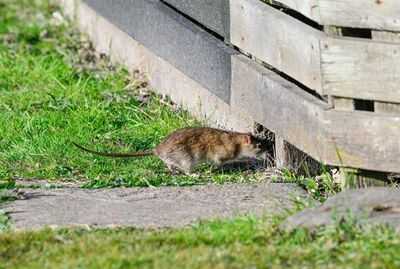
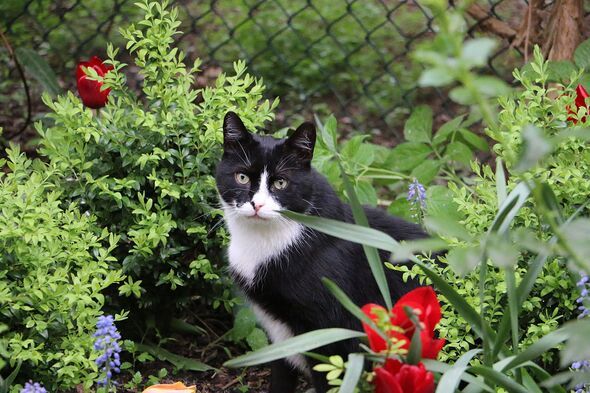
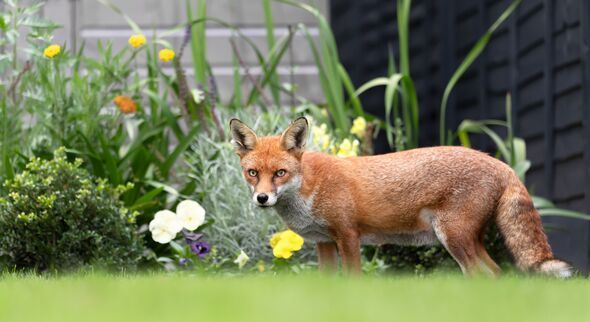
UK gardens can quickly become a target for unwanted visitors. From rats digging through borders to foxes roaming lawns at night and cats using flower beds as litter trays, many homeowners are looking for simple ways to keep animals away. While fencing and chemical repellents are often suggested, some gardeners prefer a more natural approach.
Experts say the answer could be as simple as planting the right thing along your boundary. Creating a scented barrier along fence lines can help discourage animals from entering in the first place. The idea is to use strong smells that humans enjoy, but wildlife finds overwhelming.
Several gardening and pest control specialists say this method works because many animals rely heavily on their sense of smell.
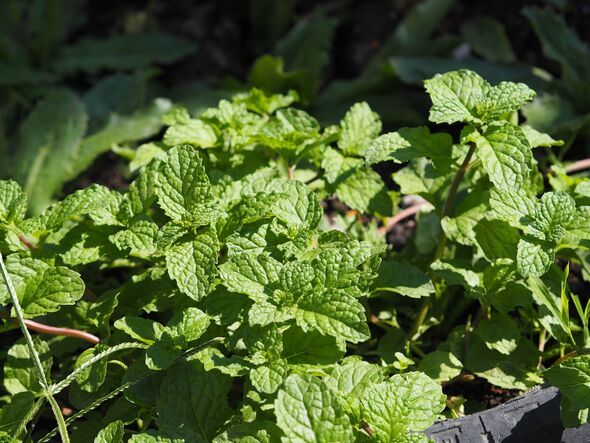
And the plant they recommend is peppermint. Gardening experts across the UK are increasingly suggesting peppermint as a natural, living deterrent to help keep rats, foxes and cats away.
The reason it works comes down to menthol. According to experts at Innovation Pest Control, the strong menthol compounds in peppermint can irritate mammals' sensitive respiratory systems.
They say the sharp scent can "irritate a rat's sensitive sense of smell," making rodents avoid areas where the smell is concentrated.
Rats rely heavily on scent to navigate and find food, so masking those smells can make gardens less attractive to them.
Cats are also highly sensitive to scent. Experts at Nikura, a UK-based family-run business that specialises in essential oils and aromatherapy products, says felines have olfactory receptors up to 14 times stronger than humans.
The experts add that even a slight whiff of peppermint can "overrun a kitty's senses," making them uncomfortable and more likely to move on.
Foxes also use smell to track food and mark territory. QVC gardening expert Richard Jackson says strong scents like peppermint can help disrupt the territory markers and food smells foxes are looking for.
When it comes to planting peppermint, the Royal Horticultural Society (RHS) advises that mint is best planted in spring, from March to May, or in autumn.
Spring planting is particularly useful as it allows peppermint to establish before summer.
However, peppermint spreads quickly. That's why BBC Gardeners' World Magazine recommends planting it in bottomless pots or buckets sunk into the ground to stop the roots from taking over the whole garden.
Plants should be spaced around 18 inches to two feet apart to form a natural scented barrier.
For anyone who doesn't want to add peppermint to their garden, Mr Jackson suggests placing tea bags soaked in peppermint oil near problem areas.
He says these can act as "scent bombs" and may last up to two weeks, even in wet weather.
Contact to : xlf550402@gmail.com
Copyright © boyuanhulian 2020 - 2023. All Right Reserved.