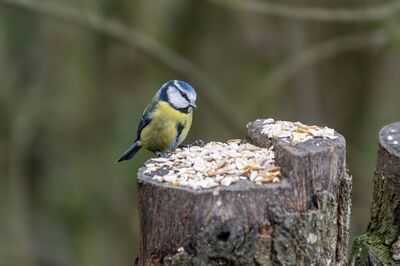
You could help to protect the birds that visit your garden by completing three simple jobs in April.
Earlier this month, the Royal Society for the Protection of Birds (RSPB) released new guidance on how to safely feed garden birds, after research showed some species are experiencing a decline in numbers because of diseases that are most commonly spread when birds gather at bird feeders.
The RSPB said there has been a worrying decline in some species due to a disease known as trichomonosis, and that we can help to save our favourite garden birds - such as greenfinches, which have declined over 65% in the last three decades - by making a few changes to how we set up our gardens.
In a TikTok video, a gardener named Gee shared three things all households with an outdoor space could be doing this April to make sure that our garden birds can feed safely throughout the year.
Not only will the tips help to protect garden birds from diseases, but some of them may also help to encourage other parts of our ecosystem to thrive, including bees, butterflies, and other insects.
1. Clean bird baths every weekIt's not just bird feeders that can spread disease. While the RSPB guidance mainly focuses on new rules for feeding, such as not filling feeders with seeds and peanuts between May and October, you should also think about your bird bath if you have one.
Gee said you should empty the water from your bird bath and properly clean it out once a week, and you should do this with your feeders, too, if you are continuing to use them. This echoes guidance from the RSPB, which states that "good hygiene is essential" in helping to limit the spread of disease among the bird population.
In her video, Gee could be seen scrubbing her bird bath with a scourer sponge and what appeared to be washing up liquid. You must ensure the bath is completely clean of any soap suds before you fill it with water for birds to use.
2. Feed seasonallyGee also highlighted RSPB guidance that states we should be thinking about what time of year it is when we feed the birds.
Between 1st May and 31st October, you should not put seeds or peanuts in your bird feeders, and instead swap to mealworms, fatballs, or suet. This is because there's a higher risk of disease spreading at this time of year, and there's already enough seeds and insects available in nature for birds to eat so it's not as important for them to take food from feeders.
However, between November and April, you can continue to feed your garden birds a full range of food, which can include seeds and peanuts as you normally would.
3. Plant wildflowersThe easiest thing any gardener can do, even if you don't normally feed the birds and don't have a bird bath, is to encourage nature to thrive in your garden using the flowers you plant.
Wildflowers are flowers that grow naturally in the wild without human assistance, and you can buy packets of mixed wildflower seeds that can easily be sprinkled into a flowerbed and then left to grow with little intervention beyond occasional watering.
Meanwhile, wildflowers produce seeds and attract insects, which not only help to feed the birds naturally, but you'll also benefit from having insects like bees and butterflies visit your garden, too. You can also plant sunflowers and allow the heads to go to seed, which will provide plenty of food for the birds.
What is the RSPB guidance on bird feeding?The RSPB have shared full information on how to safely feed and care for garden birds on their website, but some general points can be found here:
- Clean your bird feeders and baths at least once a week. You should also make sure to sweep away any old bird food or droppings that have fallen to the floor to keep the area clean.
- Place feeders in a different spot every week. Doing this can help prevent a build-up of potentially contaminated debris underneath feeders. If you have more than one feeder, keep them separated to avoid too many birds in one place.
- Avoid putting feeders under trees. This will help to avoid contamination through droppings.
- Don't use flat feeders. Avoid bird tables, window feeders, or feeders with trays, as research indicates there's a higher risk of spreading disease on flat surfaces where contaminated food can collect.
- Change water in baths daily. Only offer birds water if you're able to change it daily, and make sure it's tap water.
Contact to : xlf550402@gmail.com
Copyright © boyuanhulian 2020 - 2023. All Right Reserved.